
Industrial Workshop - Unreal Engine 5
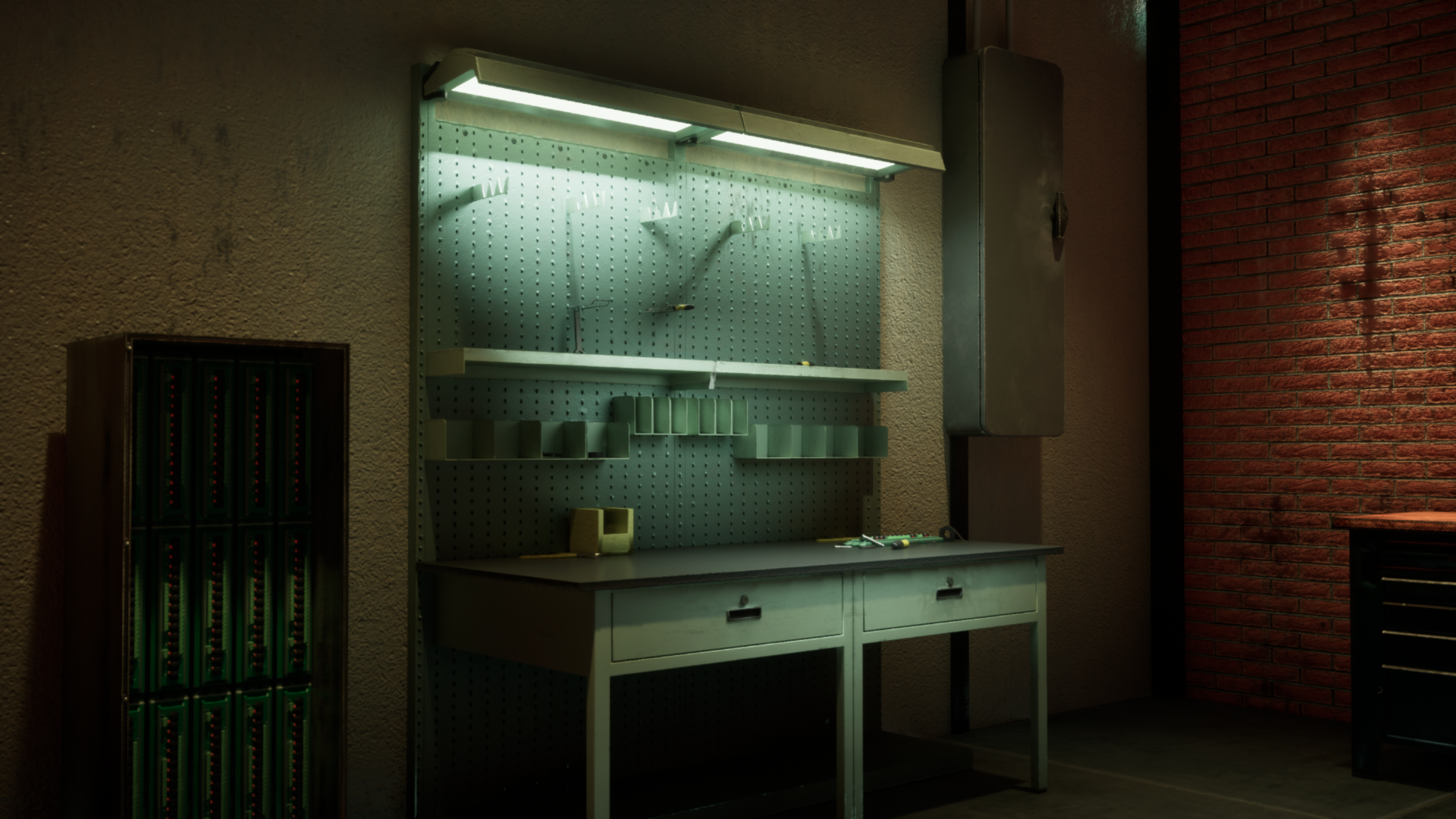
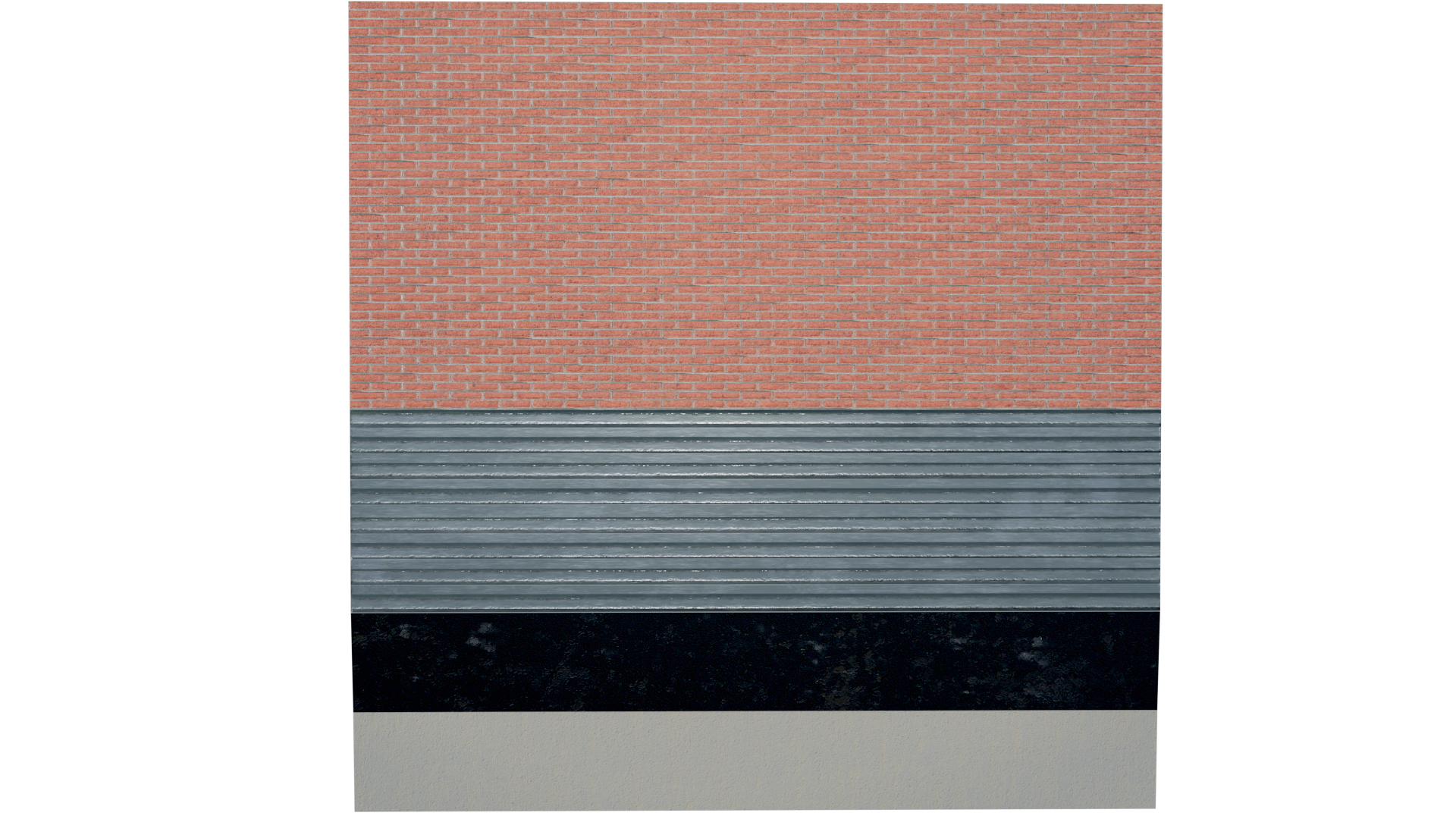
Modular industrial workshop environment built in UE5. Focused on trim sheet workflow, 512px/unit texel density, and production-aware modular construction. This workshop environment was developed as a material study exploring how industrial surfaces age according to usage patterns and maintenance cycles. Wear was applied intentionally based on contact frequency, environmental exposure, and functional purpose rather than uniform edge damage. The scene balances believable material storytelling with modular production workflows in Unreal Engine 5.
Flythrough rendered in Unreal Engine 5 using Sequencer and Movie Render Queue with high quality anti-aliasing and Virtual Shadow Maps enabled.
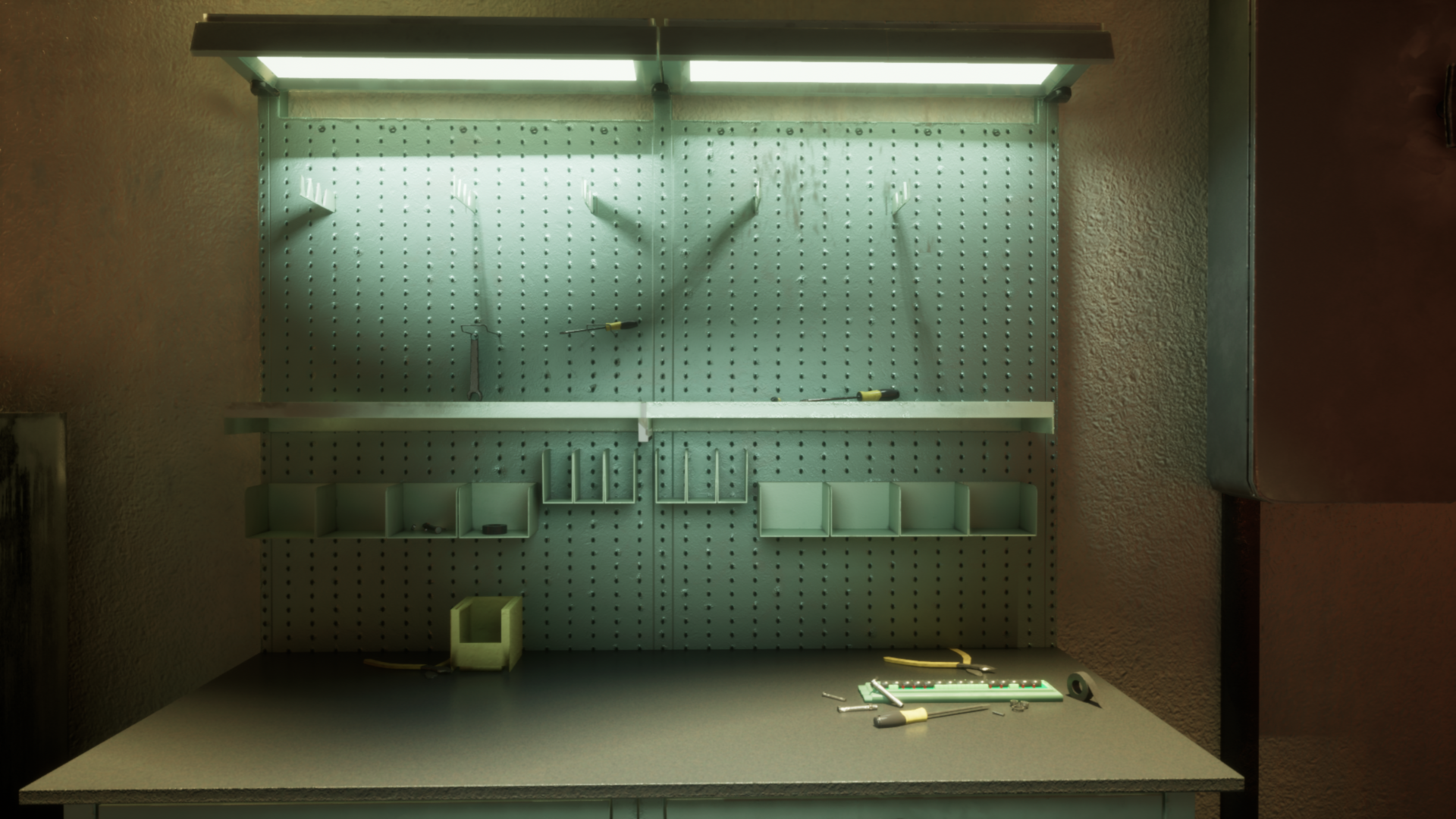
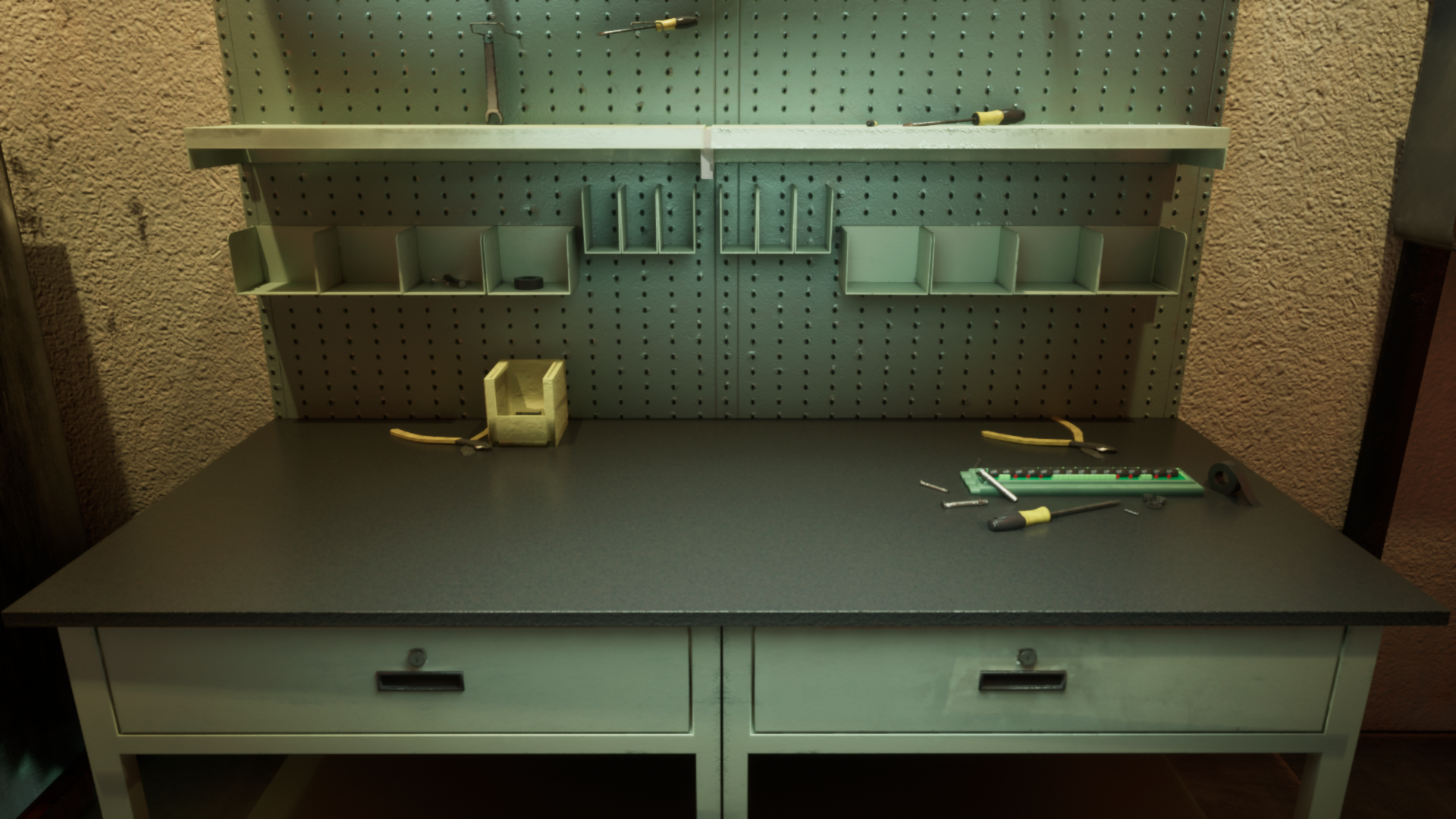
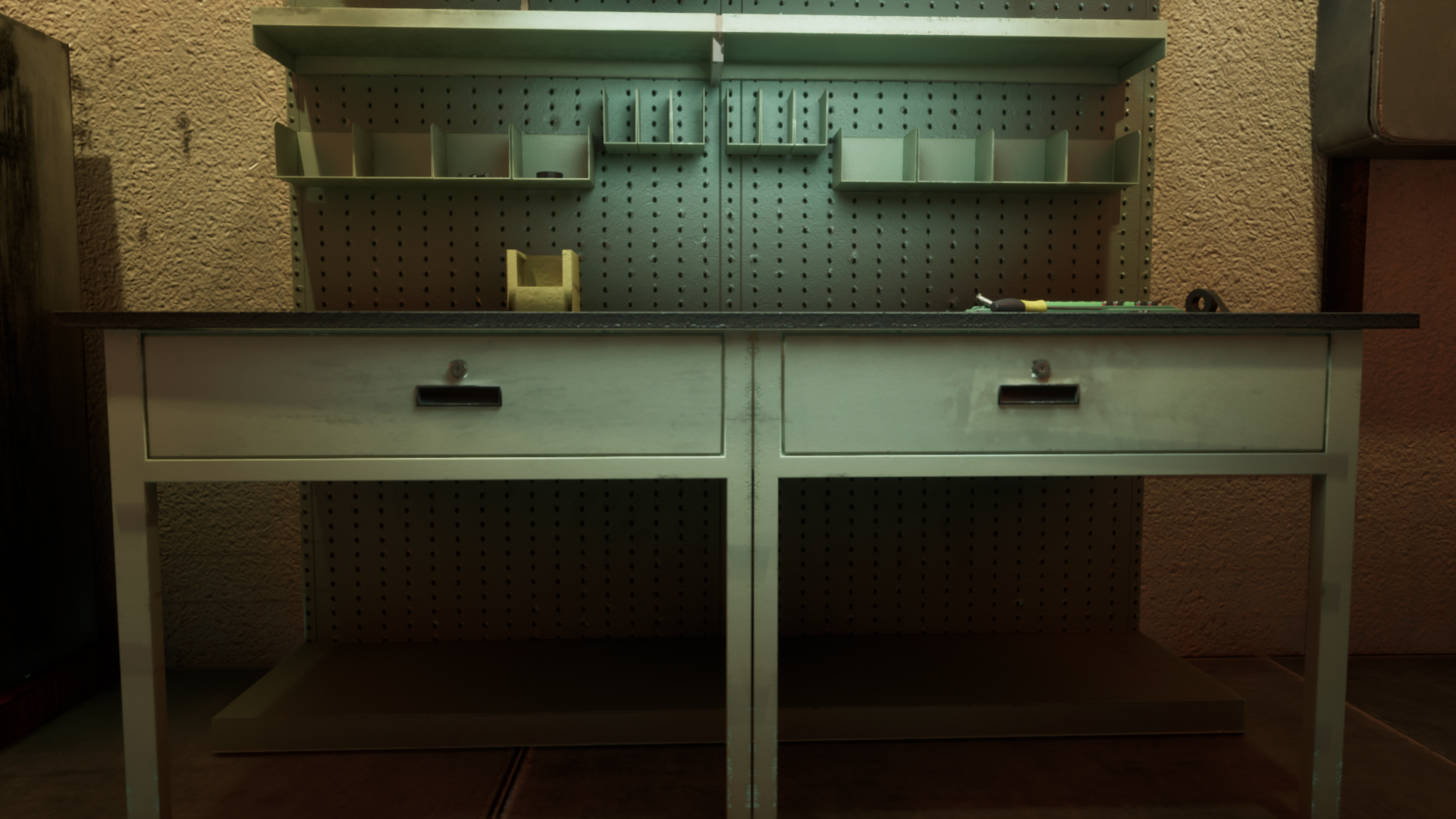
Industrial Workbench

Lighting Breakdown
Lumen was used for fully dynamic global illumination and soft bounce lighting to enhance material response and spatial realism without relying on baked lighting. Post processing was applied subtly for exposure balancing, color temperature refinement, and tonal contrast to enhance the final mood while maintaining physically believable lighting. The comparison below demonstrates the final graded result alongside the raw lighting pass to highlight the impact of post processing while preserving the integrity of the underlying real time lighting setup.
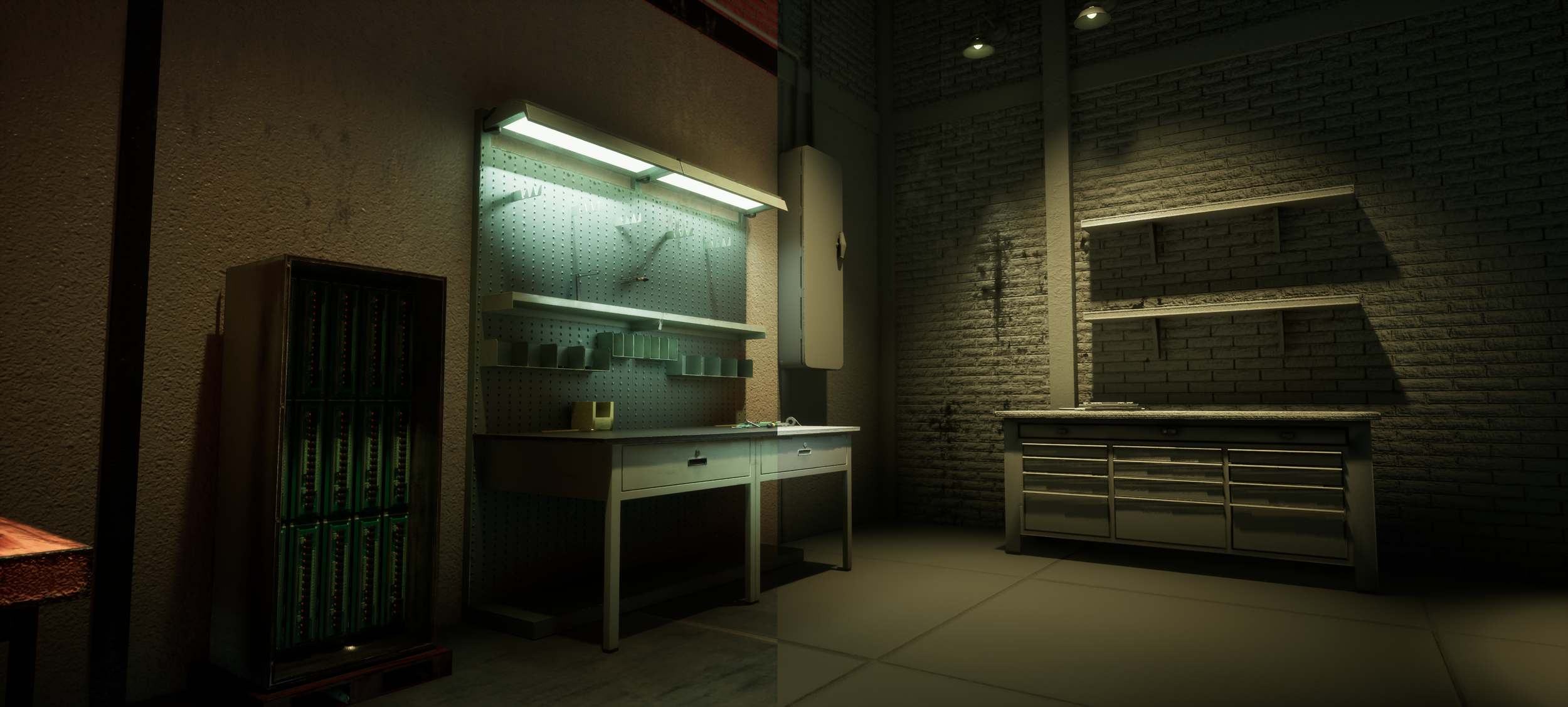
The lighting approach focuses on establishing strong contrast between the cool workbench task light and the warmer ambient industrial environment to create visual hierarchy and depth.
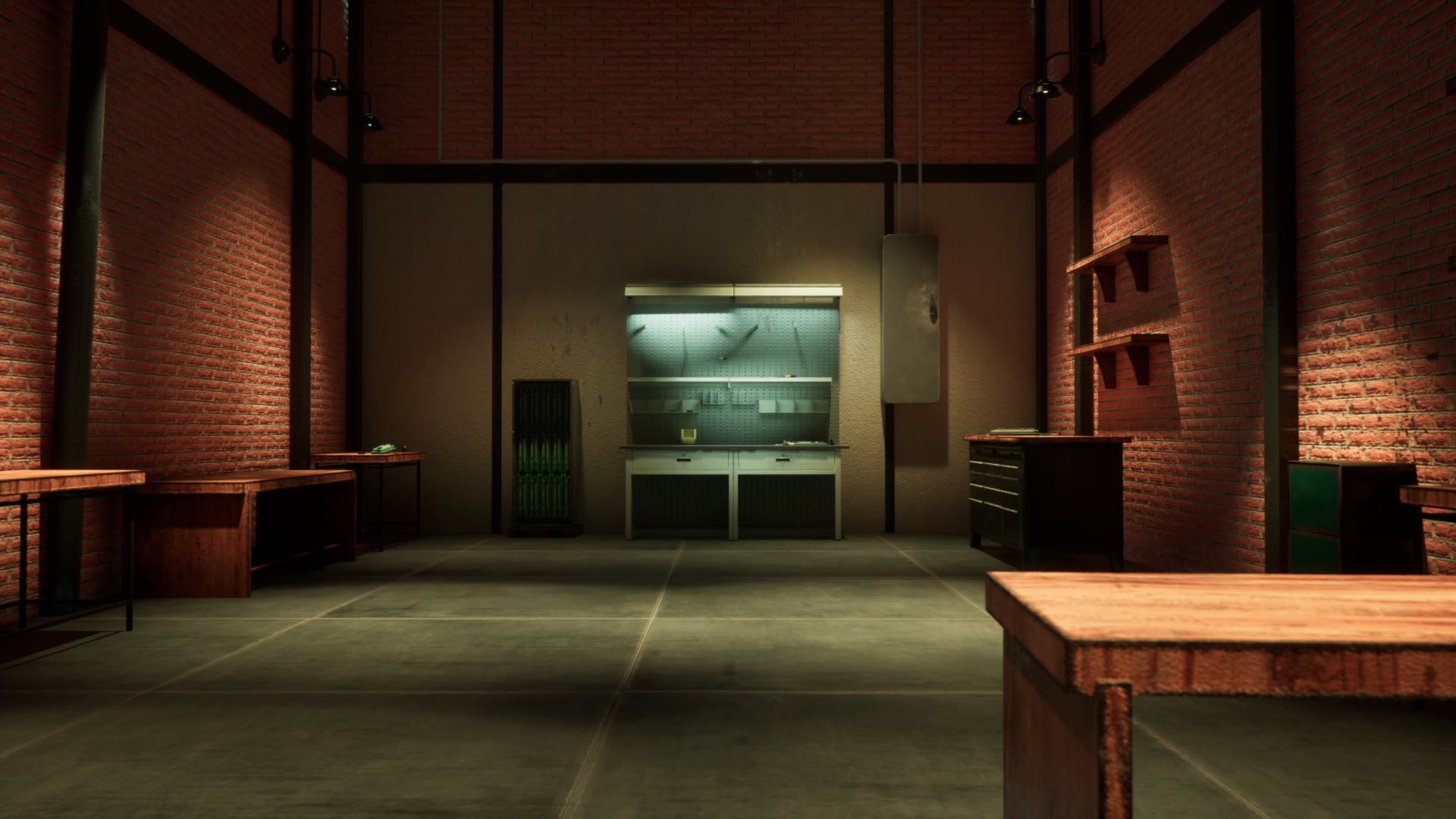
Niagara-based atmospheric dust system using a custom 2x2 SubUV sprite atlas, constrained to light shafts for cinematic realism.
Modular kit designed for reuse and flexible layout assembly.
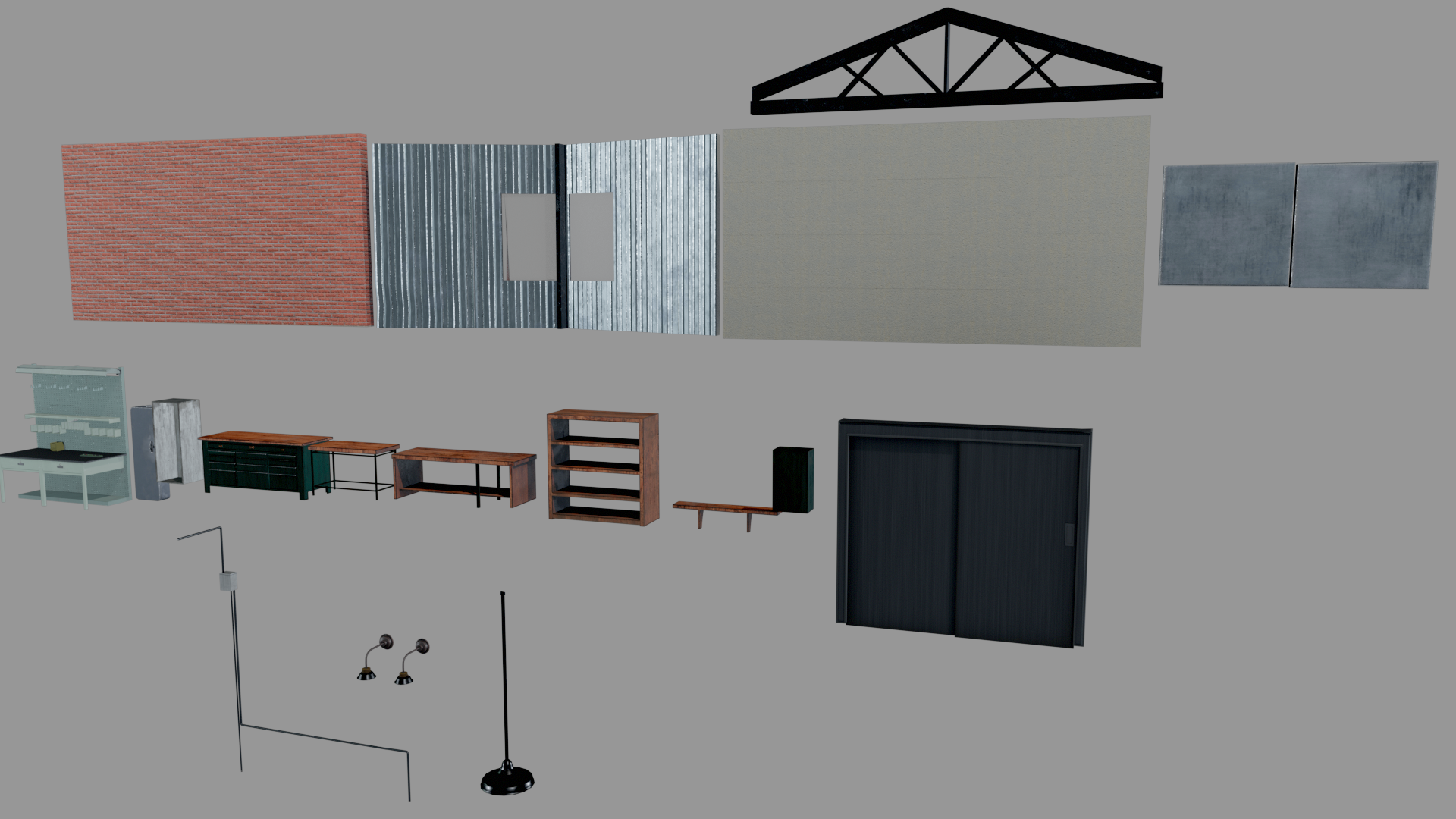
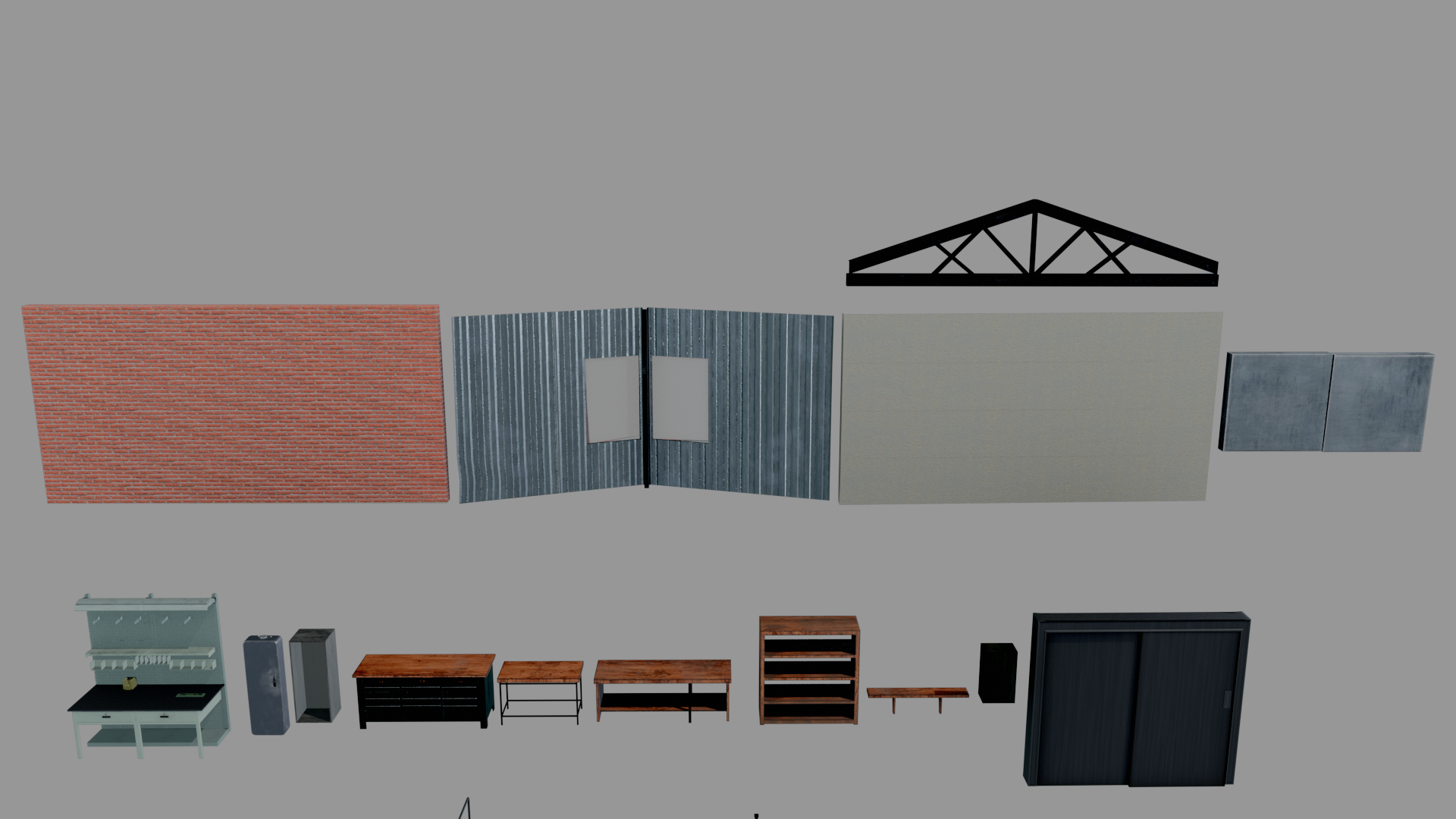
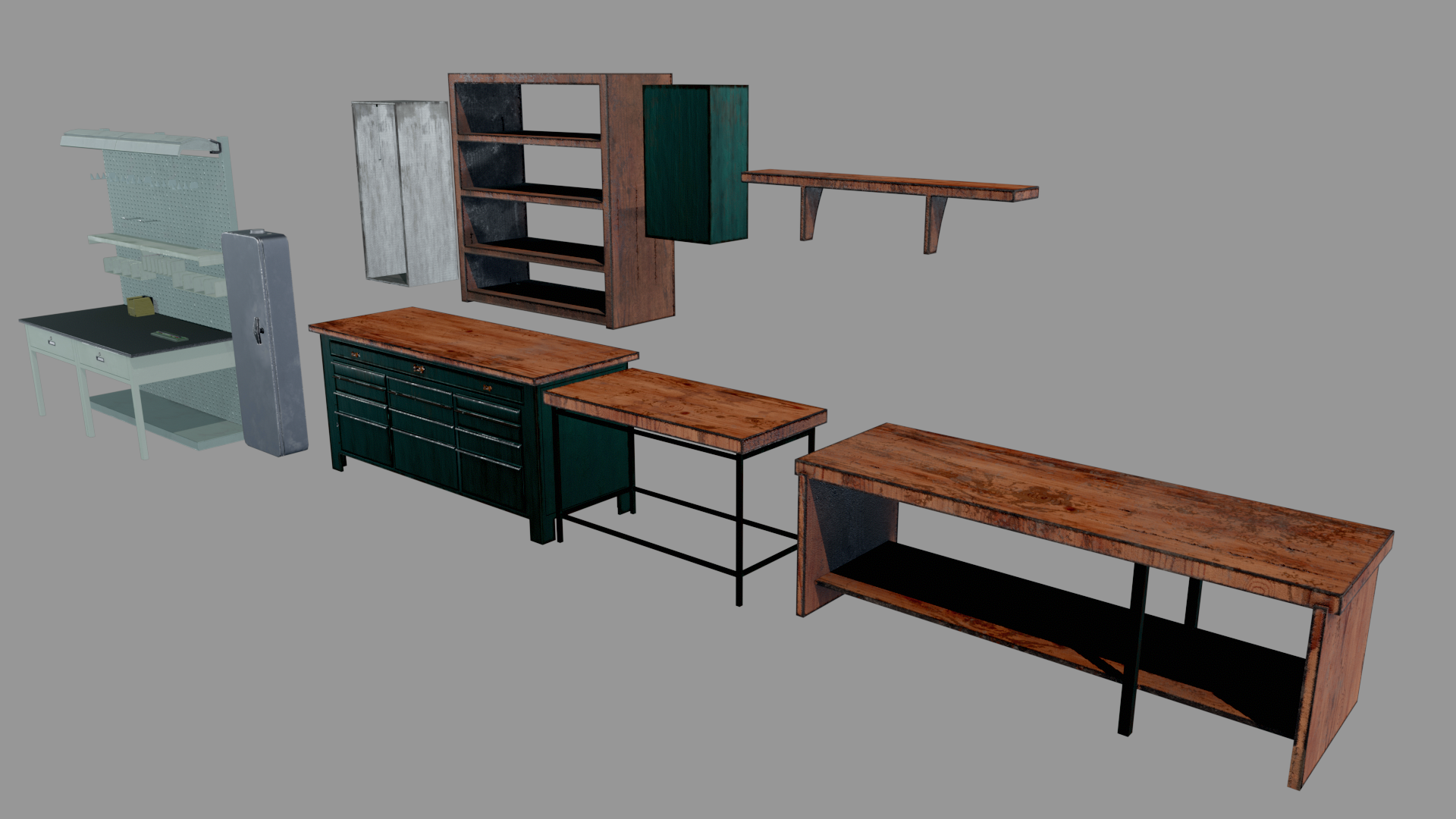
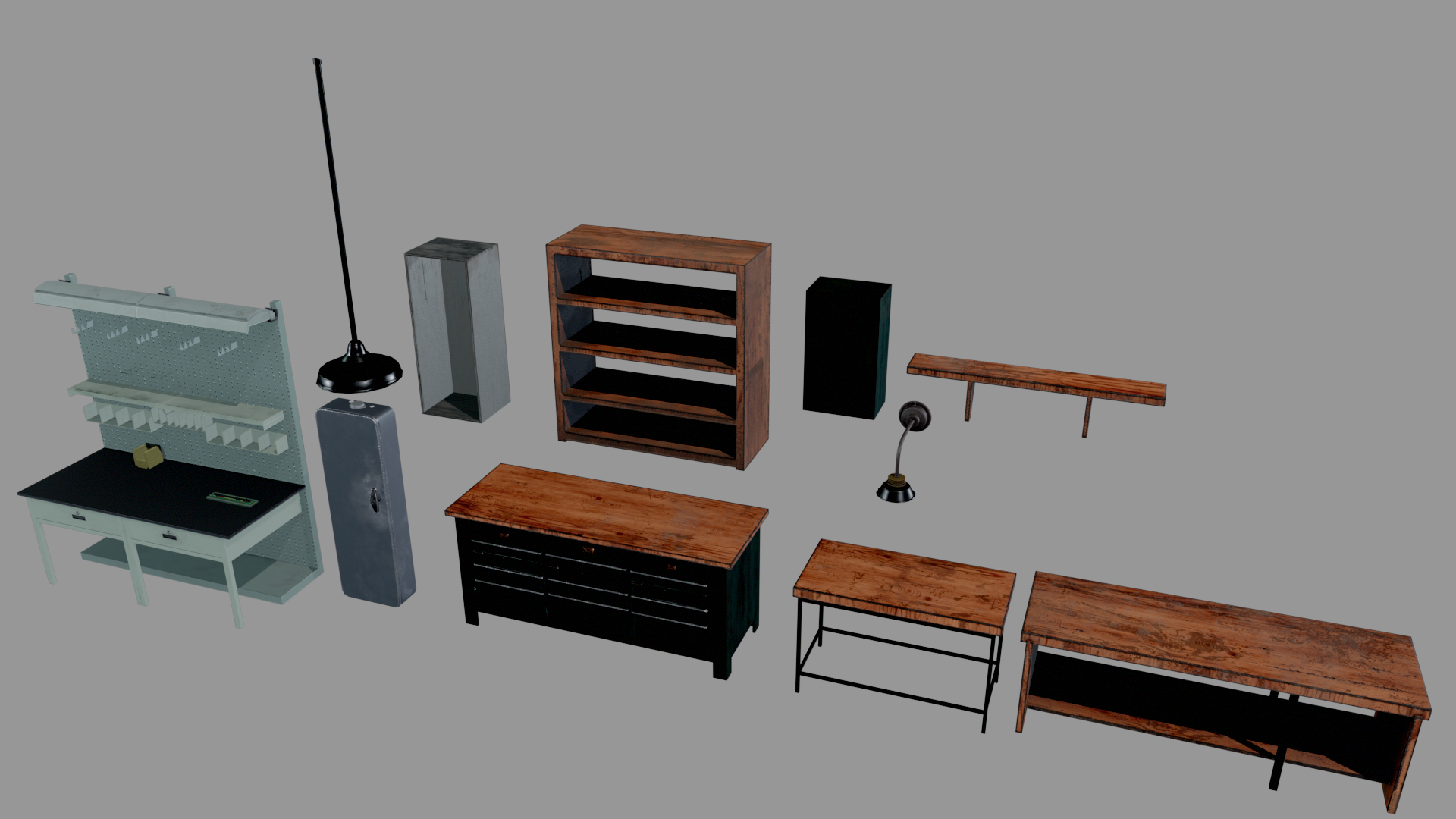
This modular kit was assembled and rendered in Unreal Engine 5 to demonstrate production-ready workflows. Assets were built using trim sheets, consistent texel density (512px/unit), and decal layering for structural ageing. Lighting was achieved using Lumen to maintain real-time performance while preserving material readability.
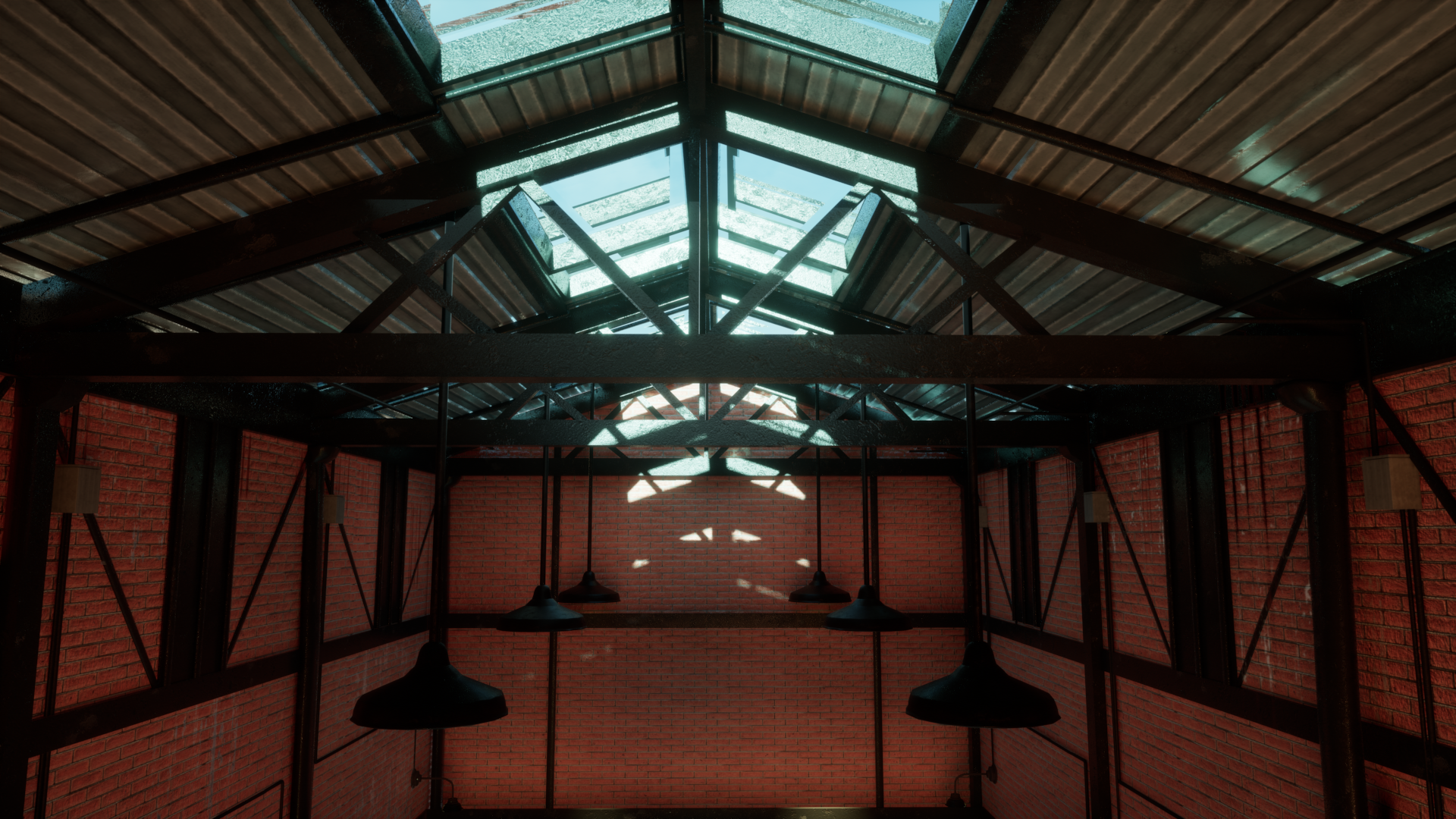
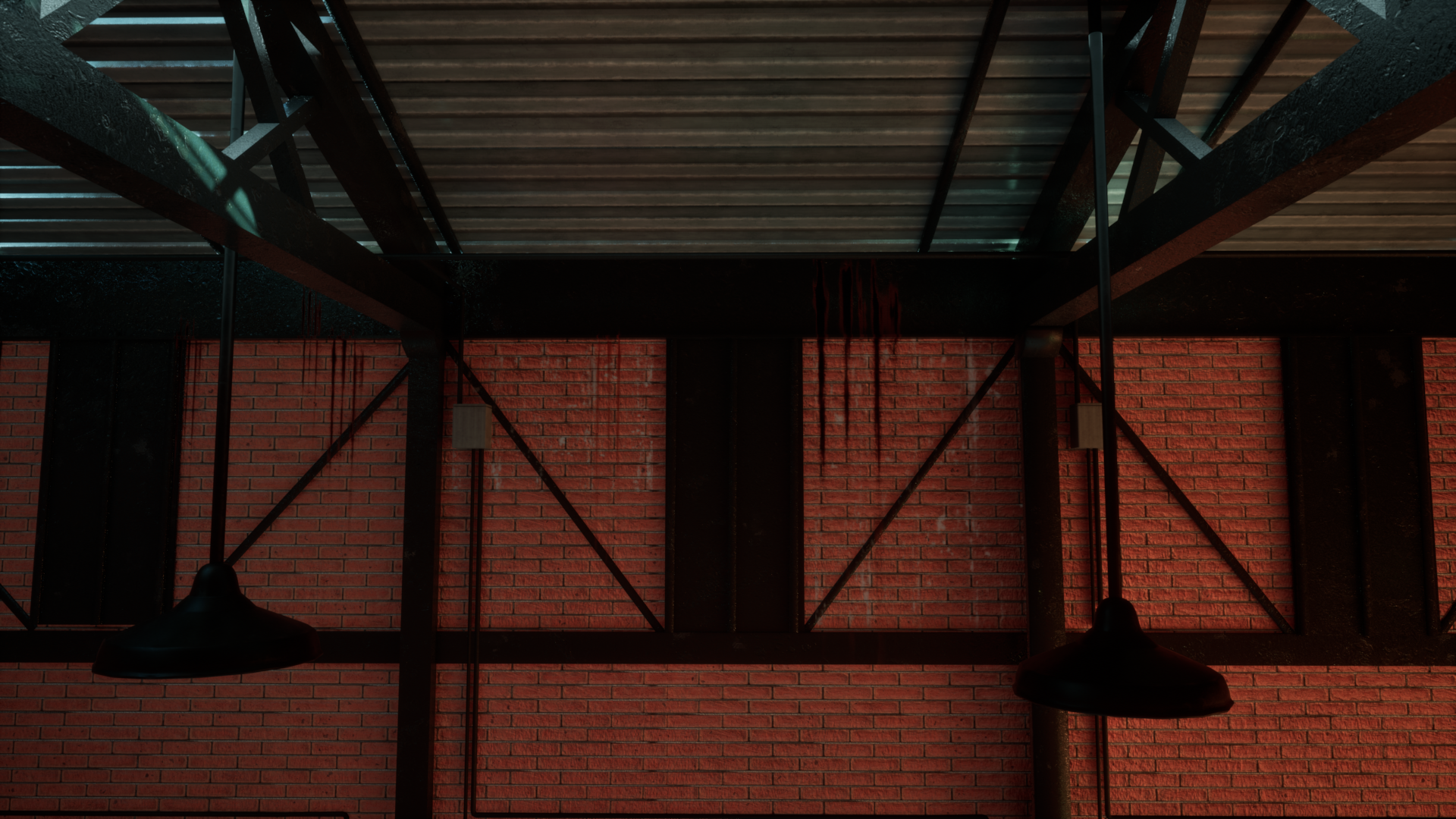
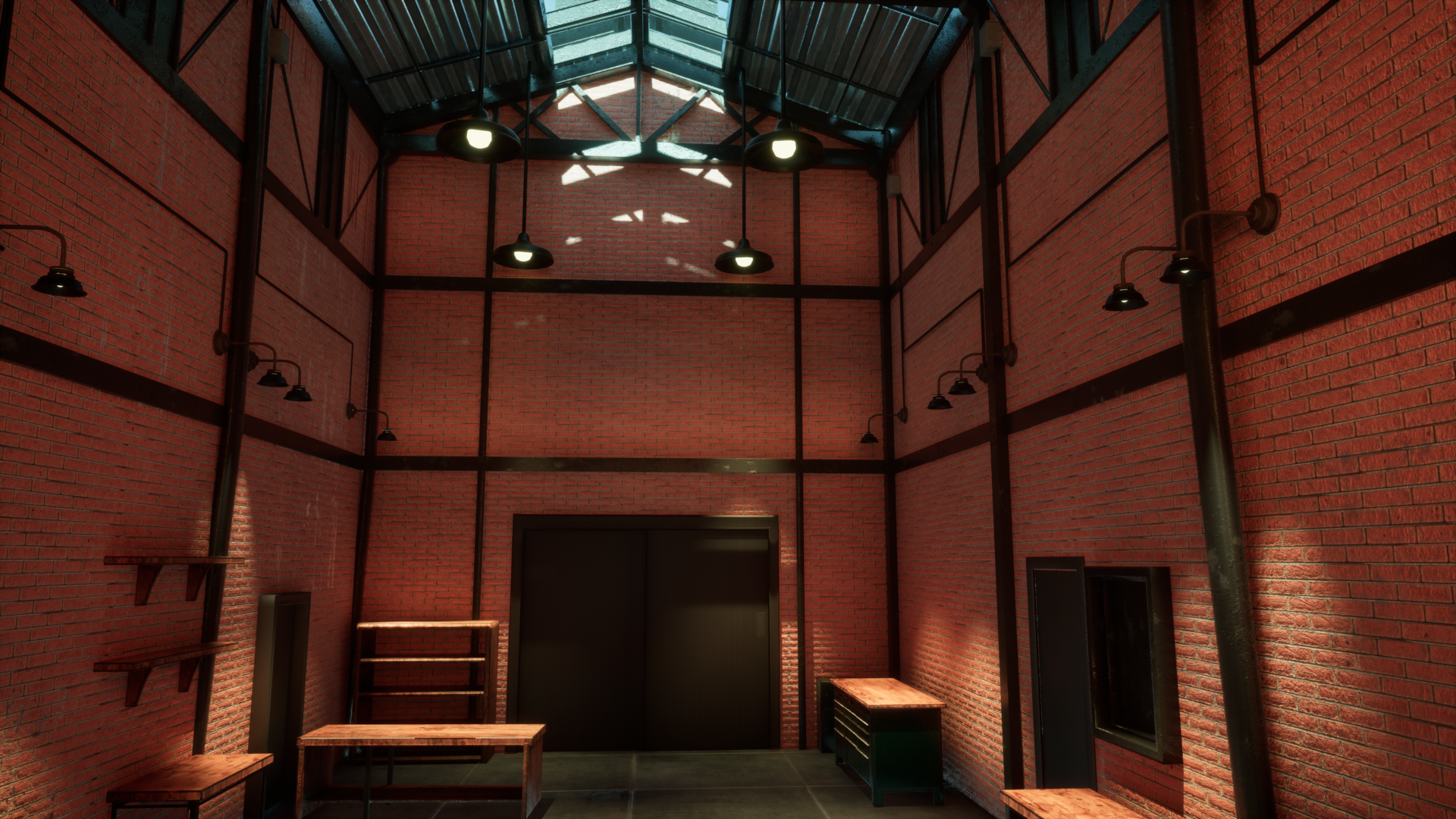
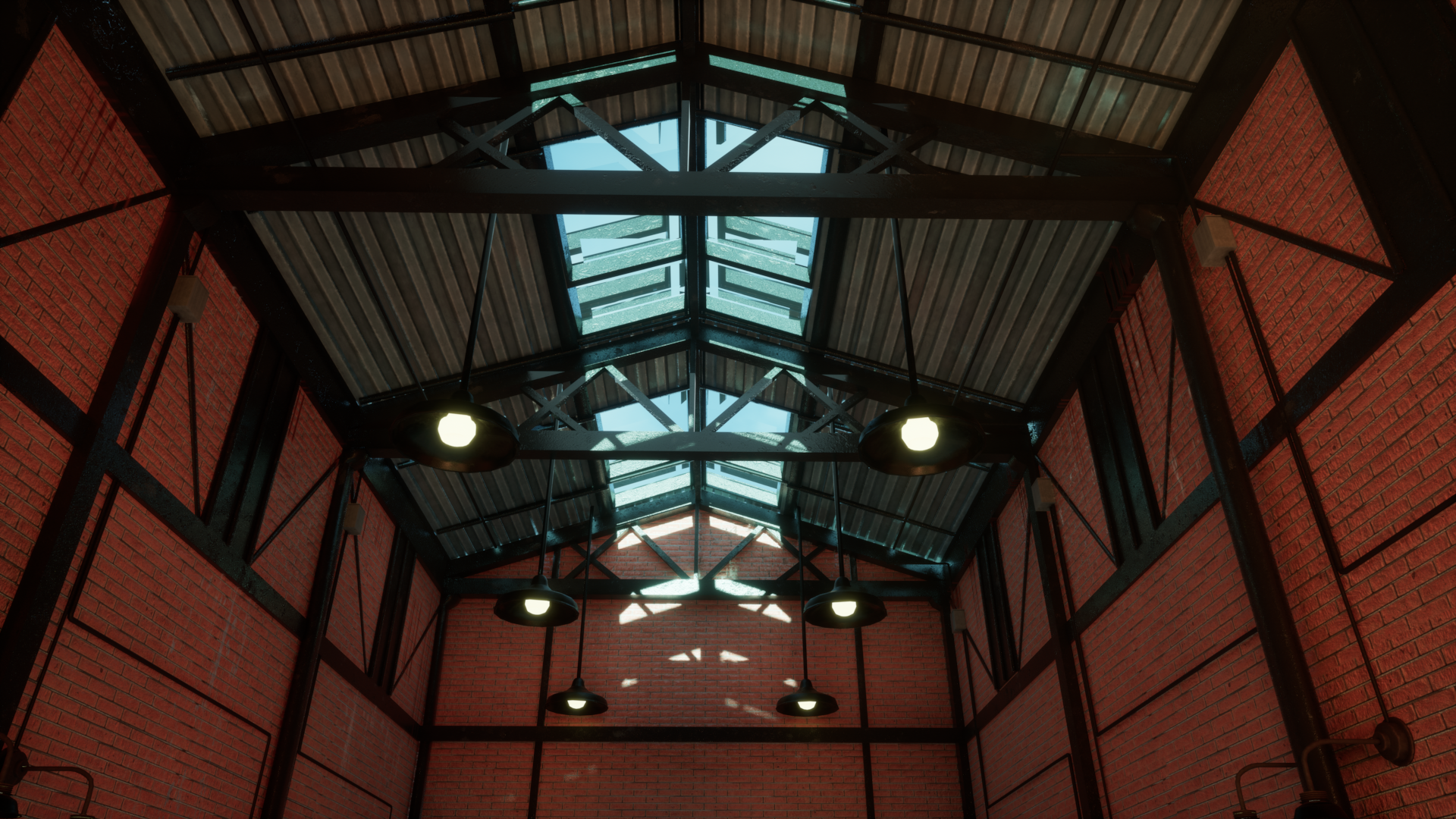
The environment maintains a consistent texel density of 512px/unit across all modular assets.
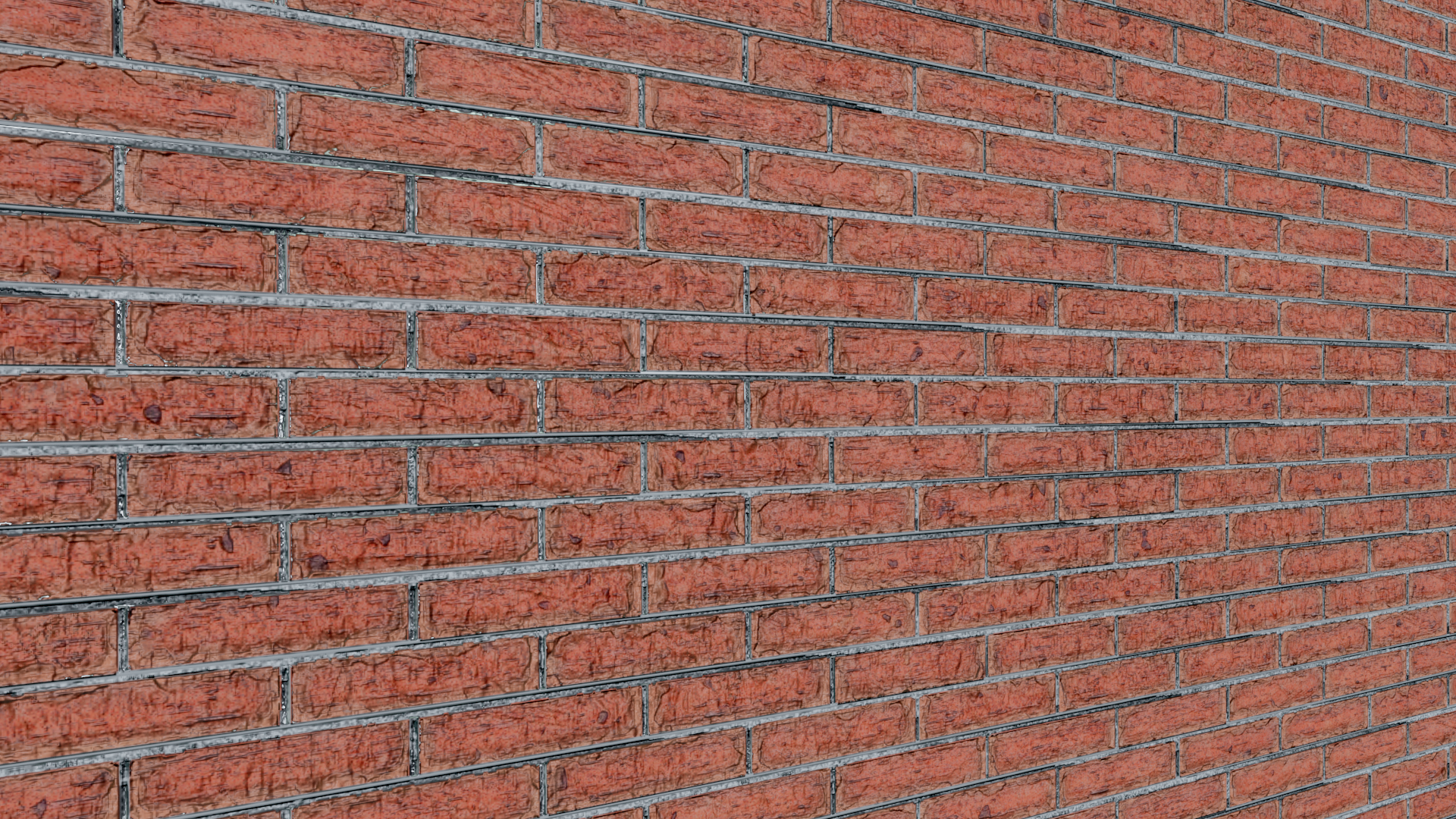
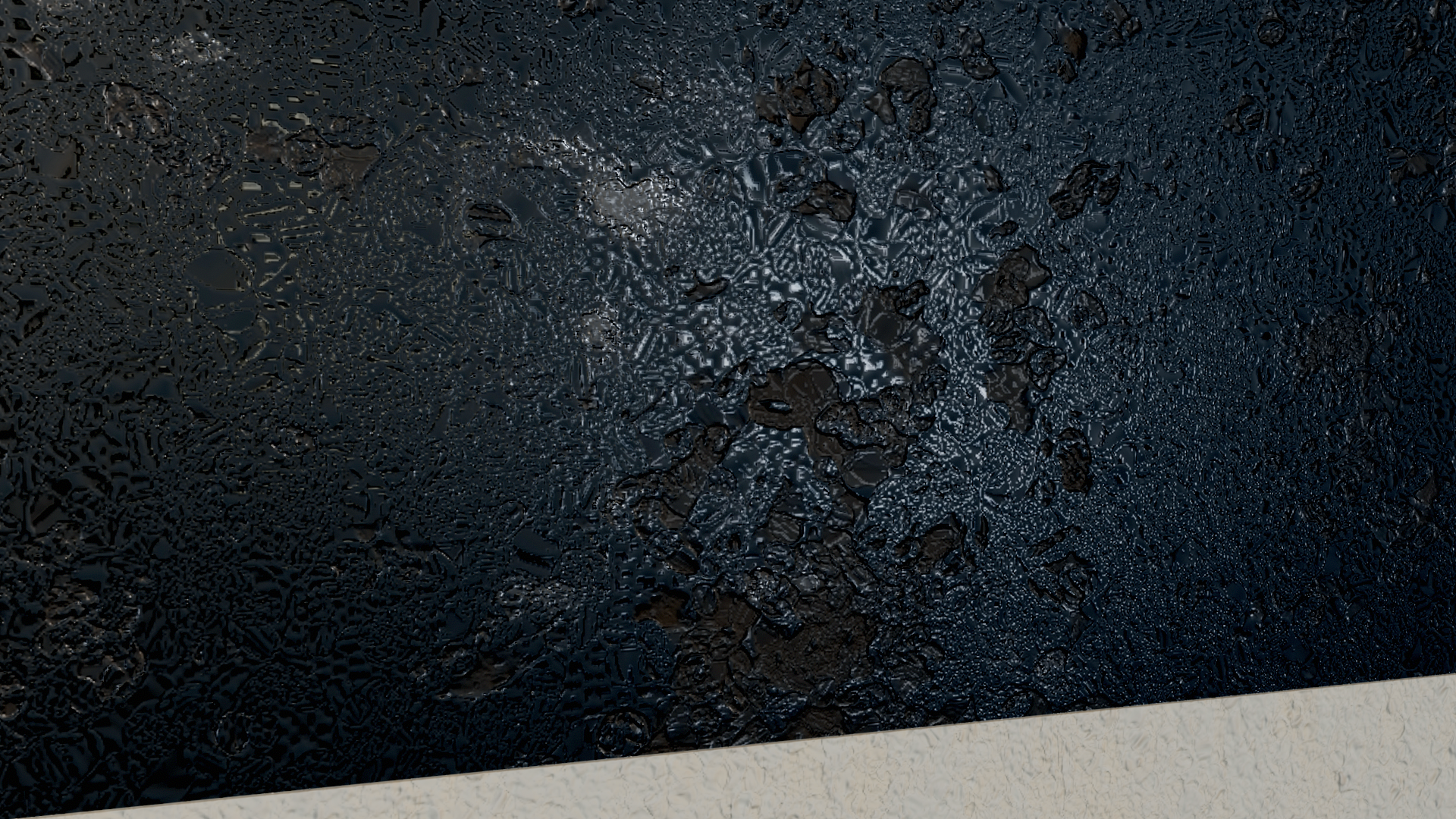
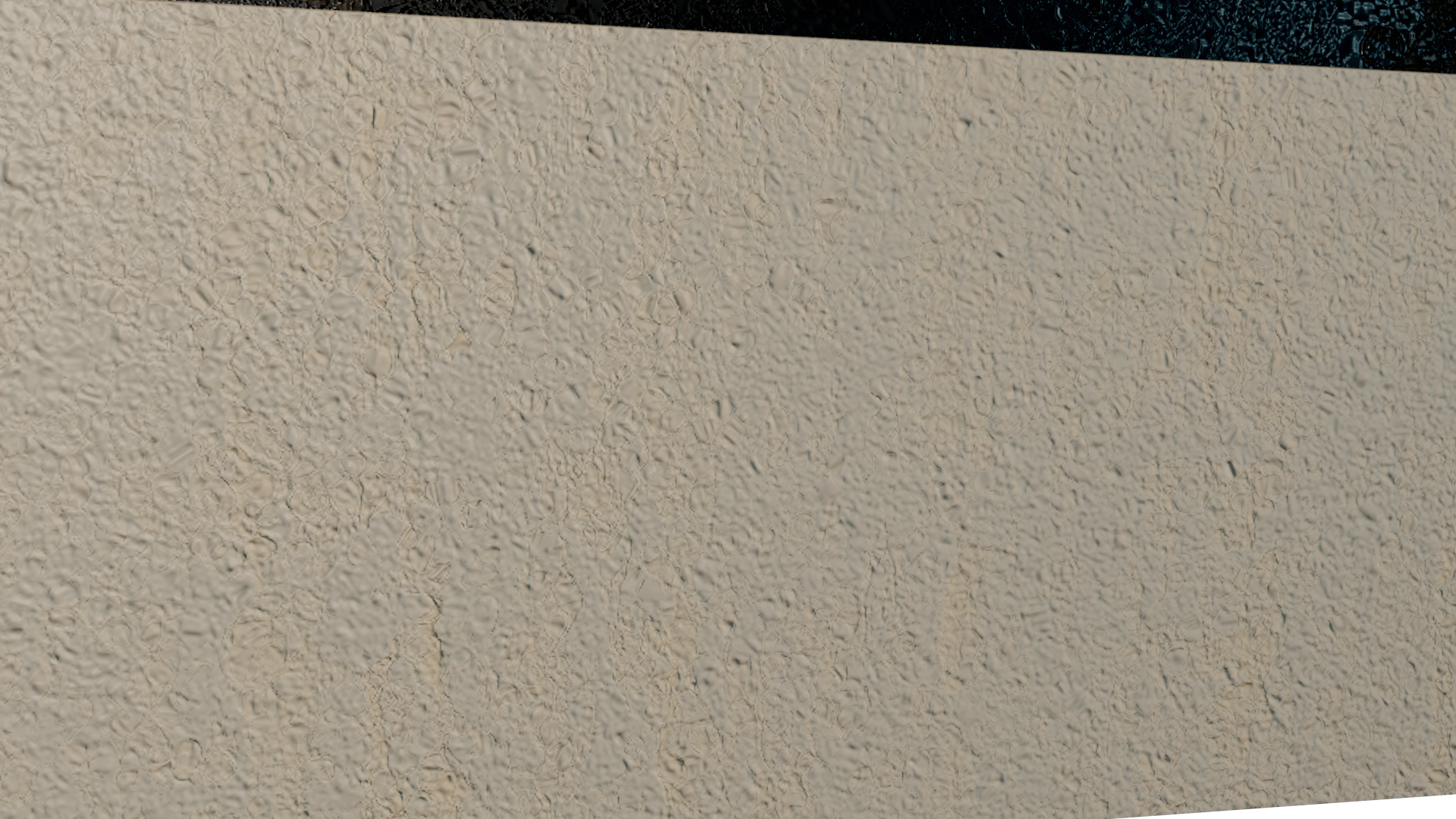
Texture resolution was allocated based on asset importance and expected camera proximity: 2K for primary brick surfaces, 1K for corrugated metal, and 512px maps for secondary structural elements such as trusses and plaster walls.
Additional surface variation was achieved in-engine using 256px decal maps to introduce localised ageing, stains, and structural breakup while preserving texture memory efficiency.